What Are The Best VR Headsets
and Accessories?
Buying VR gear should not feel like decoding a spec sheet in a Discord argument. Here's the plain-English breakdown: what feels better in the headset, what fixes real annoyances, and what is just expensive plastic.
Supporting Free VR Content
Hey VR fans! Some of the game links below earn us a small commission when you make a purchase. This doesn't change your price, but it helps us keep creating free VR guides and reviews! We only recommend games we genuinely believe in. Learn more about our affiliate relationships →
VR Headsets
Each headset here has a lane. Quest 3S is the easy first buy, Quest 3 is the standalone sweet spot, and Pimax is for PC players chasing cockpit clarity. Start with how you actually play, then check the specs.

From $499.99
New Meta accounts may qualify for Quest Cash, which is exactly what you want after buying the headset.
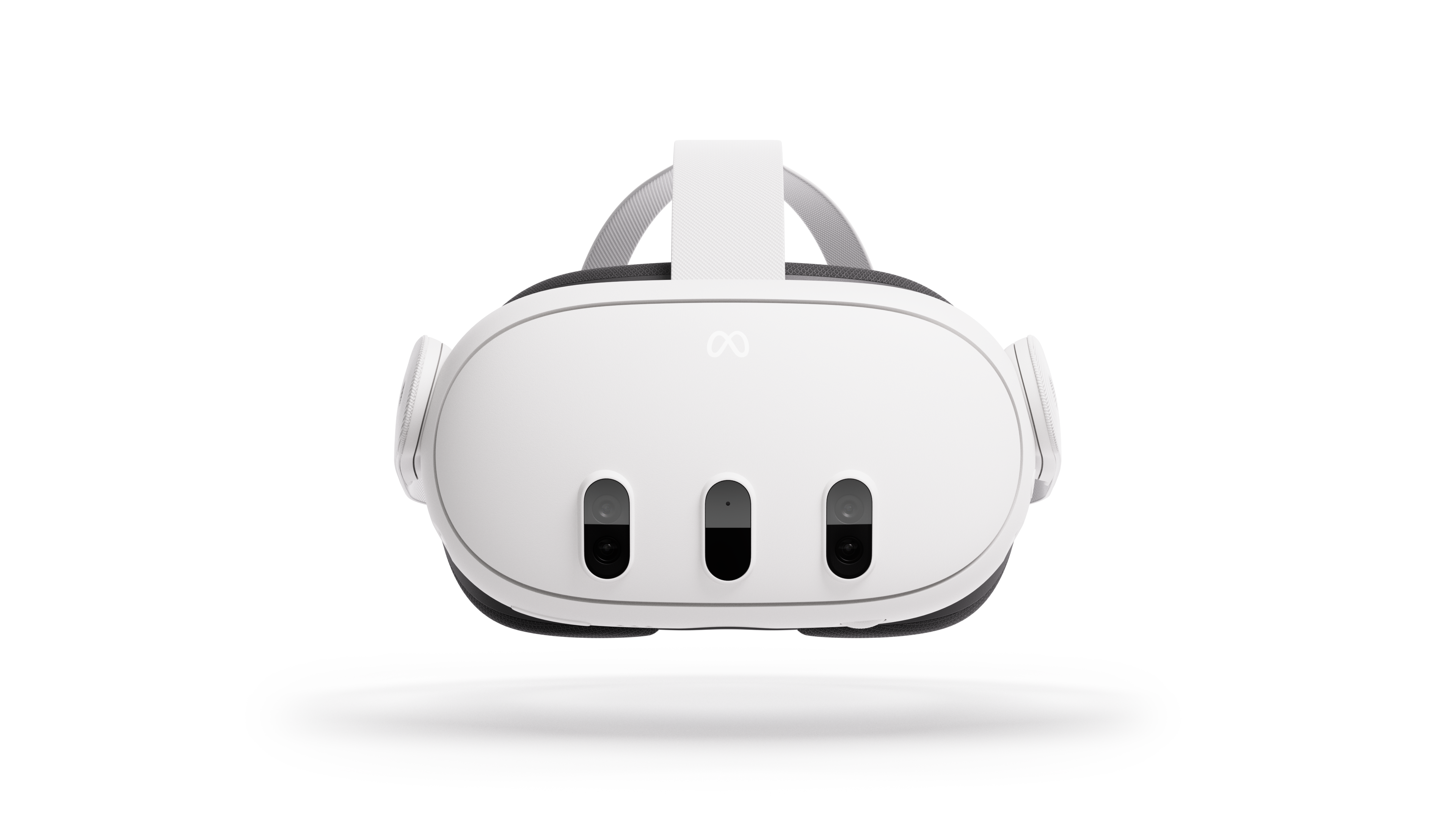
Meta Quest 3
The Best All-Around VR Headset
Next-Gen Mixed Reality: The Quest 3 features full-color passthrough that seamlessly blends your physical environment with digital content. With dual RGB cameras and a depth projector, it understands your room, allowing virtual objects to interact with your real furniture.
Pancake Lenses & 4K+ Display: The pancake lenses are the reason Quest 3 feels like the premium model. You get a much larger clear area than Fresnel headsets, so menus, cockpit gauges, subtitles, and distant targets stay readable without constantly nudging the headset around.
Double the Processing Power: Powered by the Snapdragon XR2 Gen 2, the Quest 3 delivers twice the graphical performance of the Quest 2. This means higher resolution textures, better lighting, and more complex games running entirely standalone without a PC.
Resolution
2064x2208 per eye
Refresh Rate
90Hz / 120Hz
FOV
110° Horizontal / 96° Vertical
Processor
Snapdragon XR2 Gen 2
Tracking
Inside-out 6DoF
Weight
515g
Pros
- + Incredible pancake lenses with edge-to-edge clarity
- + Powerful standalone performance
- + Excellent full-color mixed reality
- + Massive library of standalone and PC-VR games
Cons
- - Included head strap is uncomfortable for long sessions
- - Battery life is only around 2 hours
- - More expensive than its predecessor
From $299.99
New Meta accounts may qualify for Quest Cash, which is exactly what you want after buying the headset.
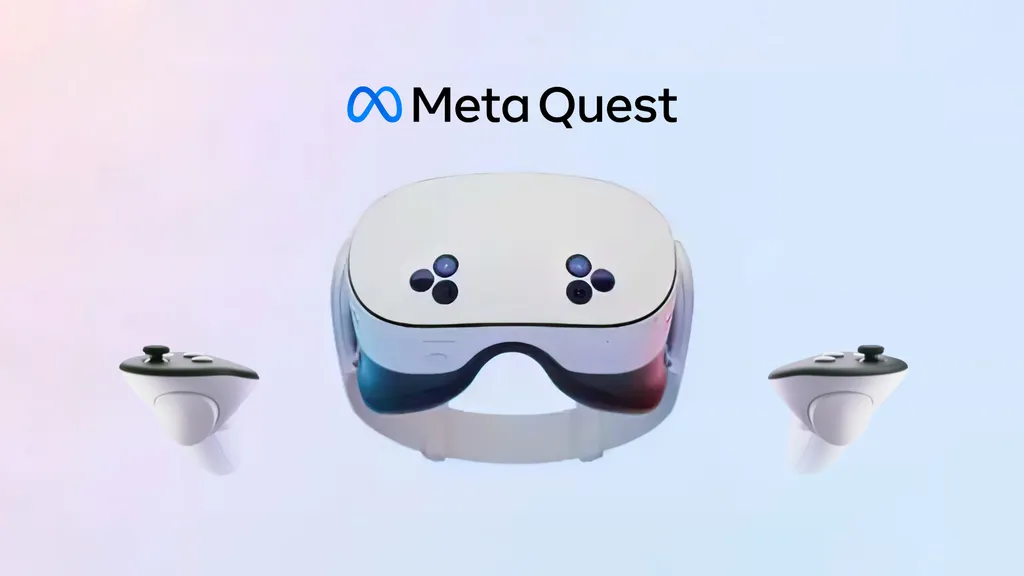
Meta Quest 3S
Unbeatable Value in VR
Flagship Power, Entry-Level Price: The Quest 3S packs the exact same Snapdragon XR2 Gen 2 processor as the more expensive Quest 3. This means it can play every single game in the Quest library with the same high-end performance, but at a fraction of the cost.
Mixed Reality on a Budget: Despite the lower price, the Quest 3S still features full-color passthrough for mixed reality experiences. You can watch YouTube while doing dishes or play games that integrate with your living room.
The Perfect First Headset: If you are new to VR or upgrading from an older headset, the Quest 3S is the most logical choice. It offers 90% of the Quest 3 experience for $200 less, making it the best value in the industry.
Resolution
1832x1920 per eye
Refresh Rate
90Hz / 120Hz
FOV
96° Horizontal / 90° Vertical
Processor
Snapdragon XR2 Gen 2
Tracking
Inside-out 6DoF
Weight
514g
Pros
- + Incredible value at $299
- + Same powerful processor as Quest 3
- + Full-color mixed reality support
- + Access to the entire Quest ecosystem
Cons
- - Uses older Fresnel lenses (smaller sweet spot)
- - Lower resolution than Quest 3
- - Slightly bulkier design
Pimax Crystal Light
The Pinnacle of PC-VR Clarity
Unparalleled Visual Fidelity: The Pimax Crystal Light delivers a staggering 2880x2880 QLED display per eye. With 16.6 million pixels and local dimming, it offers breathtaking clarity, rich contrast, and vivid colors that make flight and racing simulators incredibly realistic.
Glass Aspheric Lenses: Unlike most headsets that use plastic lenses, the Crystal Light uses optical glass aspheric lenses. This provides edge-to-edge clarity, reduces distortion, and maximizes the potential of the ultra-high-resolution displays.
Dedicated PC-VR Performance: Designed specifically for PC-VR enthusiasts, it connects directly to your gaming rig via DisplayPort for uncompressed, zero-latency visuals at up to 120Hz. It seamlessly integrates with SteamVR and supports inside-out tracking.
Resolution
2880x2880 per eye
Refresh Rate
Up to 120Hz
FOV
125° Horizontal
Processor
PC Tethered
Tracking
Inside-out (Lighthouse optional)
Weight
815g
Pros
- + Industry-leading visual clarity and resolution
- + QLED panels with local dimming for deep blacks
- + Glass lenses provide superior optics
- + Uncompressed DisplayPort connection
Cons
- - Requires a very powerful gaming PC
- - Heavier than standalone headsets
- - Wired connection only
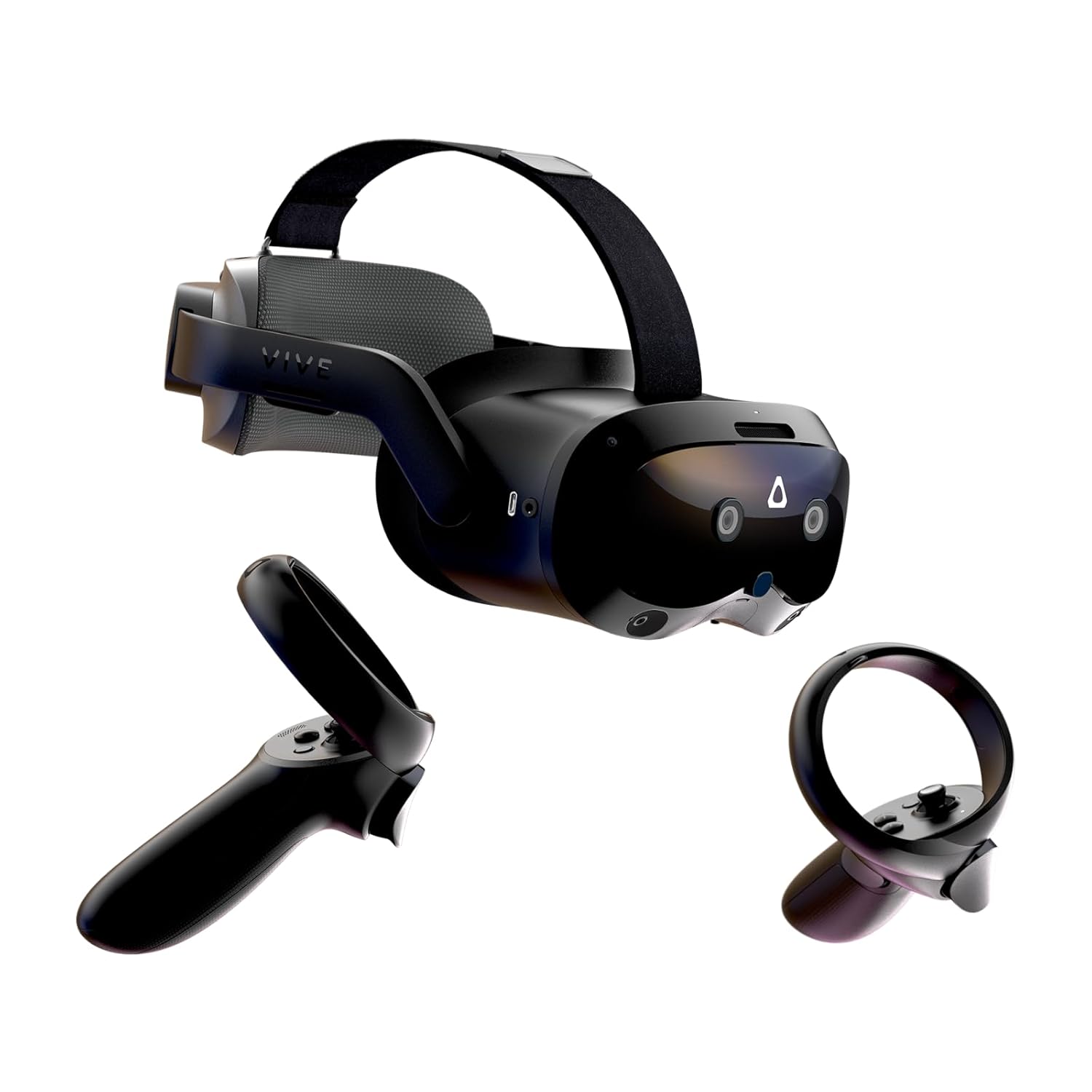
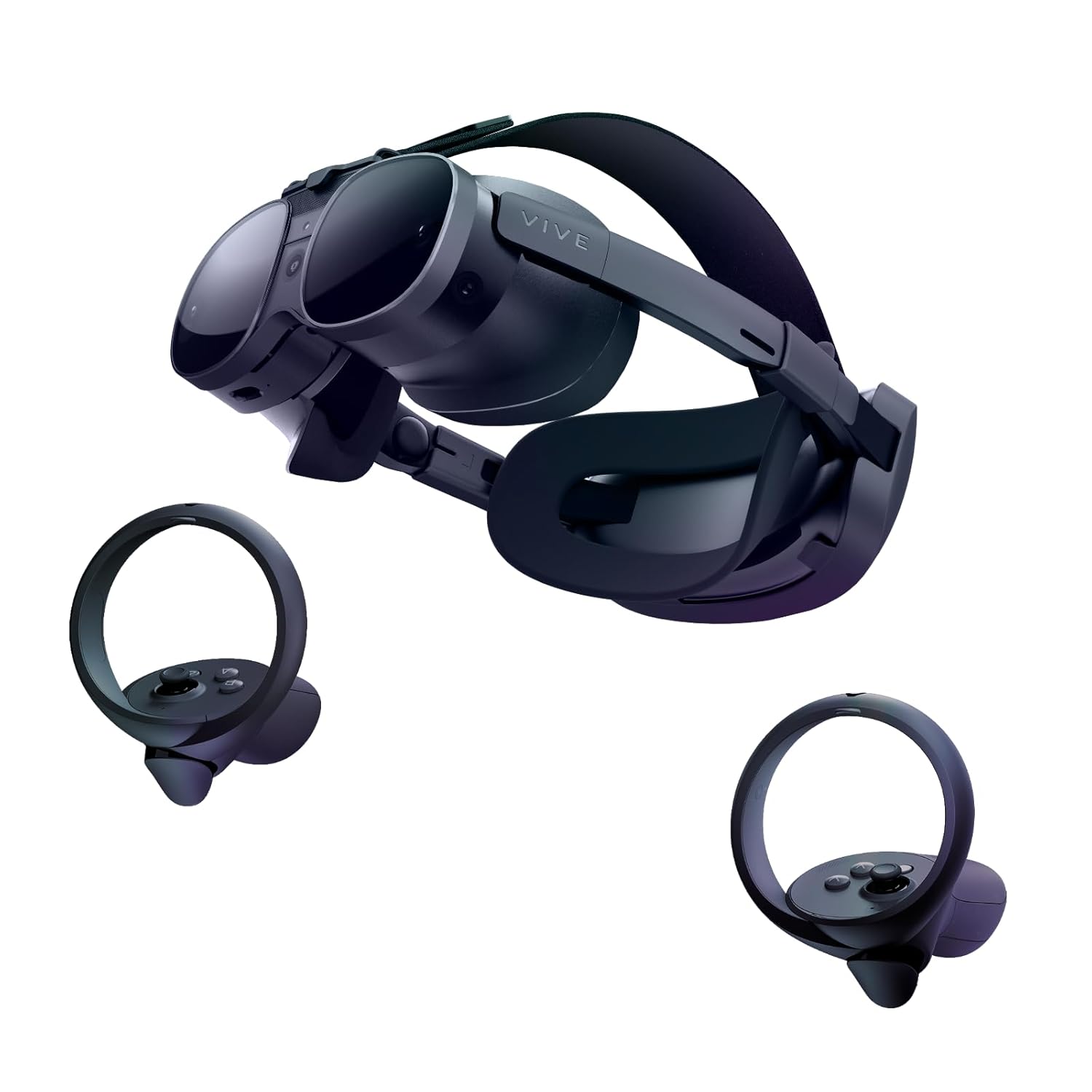
HTC Vive XR Elite
Premium Convertible Standalone
Convertible Form Factor: The Vive XR Elite is uniquely versatile. You can detach the battery cradle and snap on temple pads to convert it into a lightweight pair of VR glasses powered by a USB-C power bank or PC.
Built-in Diopter Adjustment: Say goodbye to wearing glasses in VR. The XR Elite features stepless IPD and built-in diopter dials on each lens, allowing you to adjust the focus to match your prescription for a crystal-clear view.
Vibrant Mixed Reality: Equipped with a high-resolution RGB passthrough camera and depth sensor, it delivers excellent mixed reality experiences. It also supports wireless PC-VR streaming via Wi-Fi 6E for high-octane gaming.
Resolution
1920x1920 per eye
Refresh Rate
90Hz
FOV
110°
Processor
Snapdragon XR2
Tracking
Inside-out 6DoF
Weight
625g (273g in glasses mode)
Pros
- + Innovative convertible design
- + Built-in diopter adjustments for glasses wearers
- + Hot-swappable battery design
- + Excellent color passthrough
Cons
- - Uses older Snapdragon XR2 processor
- - Expensive compared to Quest 3
- - Smaller standalone game library
Pimax Crystal Super
The Ultimate Enthusiast Headset
Mind-Blowing 3840x3840 Resolution: The Crystal Super pushes the boundaries of VR with an insane 3840x3840 resolution per eye. Utilizing QLED+MiniLED technology with local dimming, it offers unparalleled depth, contrast, and clarity that rivals reality.
Interchangeable Optical Engines: A revolutionary feature allows you to swap the optical engines, giving you the choice between ultra-high-resolution QLED panels or micro-OLED panels depending on your preference for brightness or absolute black levels.
Advanced Tracking & Audio: It includes built-in eye tracking for foveated rendering, automatic IPD adjustment, and high-fidelity 3D spatial audio. It supports both inside-out tracking and SteamVR Lighthouse tracking for pinpoint accuracy.
Resolution
3840x3840 per eye
Refresh Rate
72Hz / 90Hz / 120Hz
FOV
130° Horizontal
Processor
PC Tethered
Tracking
Inside-out & Lighthouse
Weight
TBD
Pros
- + The highest resolution consumer VR headset available
- + Interchangeable display engines (QLED/OLED)
- + Built-in eye tracking and auto-IPD
- + Incredible visual fidelity for simulators
Cons
- - Extremely high price point
- - Requires a top-tier PC (RTX 4080/4090)
- - Large and bulky design
PICO 4
The Lightweight Standalone Alternative
Balanced Comfort Design: The PICO 4 places the battery in the rear strap, creating a perfectly balanced headset that is incredibly comfortable for long sessions. Combined with pancake lenses, the front visor is remarkably thin and light.
Crisp 4K+ Visuals: Dual 2.56" Fast-LCD panels deliver a crisp 2160x2160 resolution per eye, while the 105° field of view and motorized IPD adjustment make it easier to dial in a sharp view for gaming and media.
Excellent PC-VR Streaming: While it has its own standalone store, the PICO 4 shines as a wireless PC-VR headset. With Wi-Fi 6 support and excellent streaming software, it is a fantastic choice for playing SteamVR games wirelessly.
Resolution
2160x2160 per eye
Refresh Rate
72Hz / 90Hz
FOV
105°
Processor
Snapdragon XR2
Tracking
Inside-out 6DoF
Weight
586g (balanced)
Pros
- + Excellent weight distribution and comfort
- + High-resolution displays with pancake lenses
- + Motorized IPD adjustment
- + Great wireless PC-VR streaming
Cons
- - Standalone library is smaller than Meta's
- - Color passthrough is 2D and lacks depth
- - Not officially sold in the US (requires importing)
HTC Vive Focus Vision
The Enterprise-Grade Hybrid
Lossless PC-VR via DisplayPort: The Focus Vision bridges the gap between standalone and PC-VR. It features a dedicated DisplayPort mode that bypasses compression, delivering lossless, high-fidelity visuals straight from your PC.
Built-in Eye & Face Tracking: Take social VR to the next level. With built-in eye tracking and support for face tracking, your avatar in VRChat will mimic your real-life expressions, making interactions incredibly lifelike and intuitive.
Auto-IPD & 5K Display: The headset automatically aligns the lenses with your pupils, which matters more than spec sheets make it sound. The 5K resolution (2448x2448 per eye) and 120° FOV give PC-VR players a wide, sharp image without as much manual fiddling.
Resolution
2448x2448 per eye
Refresh Rate
90Hz
FOV
120°
Processor
Snapdragon XR2
Tracking
Inside-out 6DoF
Weight
785g
Pros
- + Lossless DisplayPort connection for PC-VR
- + Built-in eye tracking and auto-IPD
- + High-resolution 5K display with wide FOV
- + Expandable with face and body trackers
Cons
- - High price tag
- - Heavier than consumer-focused headsets
- - Uses older Snapdragon XR2 processor
Quest 3 vs Quest 3S: Which One I'd Buy
| Feature | Meta Quest 3 | Meta Quest 3S |
|---|---|---|
| Price (128GB) | $499.99 | $299.99 |
| Display Resolution | 2064x2208 per eye (4.5 million pixels) | 1832x1920 per eye (3.5 million pixels) |
| Lenses | Pancake lenses (Thinner, clearer) | Fresnel lenses (Quest 2 style) |
| Field of View | 110° horizontal / 96° vertical | 96° horizontal / 90° vertical |
| Processor | Qualcomm Snapdragon XR2 Gen 2 | |
| Best For | Enthusiasts, PC-VR users, demanding games | First-time buyers, budget-conscious gamers |
SpaceRoach Verdict: Buy Quest 3S if this is your first headset or you mostly play active games. Pay for Quest 3 if you care about lens clarity, text readability, mixed reality, or long sessions where Fresnel blur gets annoying.
PC-VR Headsets: For People Who Notice Pixels
| Feature | Pimax Crystal Light | HTC Vive XR Elite | PICO 4 |
|---|---|---|---|
| Starting Price | $1,035 | $536.93 | $1,005.37 |
| Display Resolution | 2880x2880 per eye (QLED + Local Dimming) | 1920x1920 per eye (LCD) | 2160x2160 per eye (Fast-LCD) |
| Lenses | Glass Aspheric | Pancake (with Diopter) | Pancake |
| Connection | DisplayPort (Wired) | Standalone / Wi-Fi 6E | Standalone / Wi-Fi 6 |
| Weight | 815g | 625g (273g glasses mode) | 586g (balanced) |
| Best For | Simulators, ultimate clarity | Portability, glasses wearers | Comfort, wireless PC-VR |
SpaceRoach Verdict: For flight and racing sims, the Pimax Crystal Light is the clarity pick. The HTC Vive XR Elite is more about flexibility and glasses-free comfort, while the PICO 4 makes the most sense as a balanced wireless PC-VR option.
Accessories That Fix Real VR Problems
A better strap, grips, cable, or router can matter more than buying another game. These are the upgrades I'd look at first because they solve pain points you actually feel in-headset.
Head Strap Showdown
The stock Quest strap is fine for proving the headset works, then it starts annoying you. A good strap spreads weight, adds battery, and stops "my face hurts" from ending the session early.
KIWI K4 Duo AIO Audio Head Strap with Battery
$139.99
Built-in Audio: Dual speakers eliminate need for separate headphones
10,000mAh Battery: 4-6 hours extended play
Premium Comfort: Memory foam padding
Best all-in-one comfort/audio fix
Check Strap Deal →Syntech Head Strap with Battery for Meta Quest 3/3S - 10000mAh Detachable Power, Extended Playtime, Ergonomic Balance, VR Headset Accessories Made for Meta
$10.00
10,000mAh Battery: Doubles playtime
Ergonomic Design: Weight counterbalance
Quick Release: Easy on/off mechanism
Best value if comfort is the main problem
Check Strap Price →
Meta Quest 2 Elite Strap
$24.99
Built-in Battery: +2 hours playtime
Official Meta: Guaranteed compatibility
Premium Design: Enhanced comfort & support
Official fit, cleaner look, higher price
Check Meta Price →Roto VR Explorer
Motorized chair for seated VR and sim setups
$799.00
Core Features
- • Motorized 360° Rotation: Tracks head movement automatically
- • Haptic Feedback: Rumble motors sync with gameplay
- • Head Tracking: Rotates as you turn in VR
- • Cable Management: Built-in routing prevents tangles
- • Adjustable Height: Fits all users
Why It Matters
- • No more tangled cables during intense sessions
- • Immersive racing and flight sims
- • Comfortable for hours-long gameplay
- • Perfect for seated VR experiences
SpaceRoach Take: This is not a casual accessory. It's for racing, flight, and seated VR players who hate cable twist and want the chair to follow the headset. Pricey, but the use case is real.
Controller Enhancements

G4 Pro Performance Controller Grips for Quest 3/3S
Transform controller comfort with silicone grips. Features adjustable wrist straps and knuckle security: play Beat Saber without death-gripping controllers.
- • Silicone protective covers
- • Adjustable wrist straps
- • Knuckle strap design (throw-safe)
- • Battery cover access
- $34.99
SKOL SMARTstock
Compact, weight-balanced VR gunstock that stays in your hands. Perfect for FPS games like Contractors, Onward, and Pavlov. Use code SPACEROACH for 5% off!
- • Compact and lightweight design
- • Weight-balanced for comfort
- • Always in your hands - no sling needed
- • Improved accuracy in FPS games
- Use code SPACEROACH for 5% off at SKOLVR.com
- $42.00
PC-VR Excellence

KIWI design Link Cable
Connect to PC for high-end VR gaming. 16ft length provides freedom of movement while maintaining 5Gbps transfer speeds and simultaneous charging.
- • USB 3.0 Type-C (5Gbps)
- • 18W charging while playing
- • 16ft cable length
- • Angled connector (comfort-optimized)
- $25.99

PrismXR PC-VR Streaming Air Link Compatible with Meta Quest 3S/3/2 AX3000 WiFi6 VR Router
Dedicated WiFi6 router optimized for Air Link. Eliminates lag and stuttering for wireless PC-VR streaming.
- • WiFi6 AX1800 (1.8Gbps)
- • VR-optimized beamforming
- • Low latency mode
- • Easy setup for Air Link
- $82.99
Wired vs Wireless PC-VR
Link Cable (Wired)
Advantages:
- • Zero latency
- • Unlimited playtime (charges while playing)
- • No WiFi required
Limitations:
- • Cable can get tangled
- • Restricted movement
Air Link + Router (Wireless)
Advantages:
- • Complete freedom of movement
- • No cable management
- • Room-scale PC-VR
Limitations:
- • Requires strong WiFi6 router
- • Potential for slight latency
- • Battery drains faster
Comfort & Hygiene
SpaceRoachVR ReviewGlobular Cluster F3 V3 Magnetic Facial Interface for Quest 3
Modular magnetic facial interface with 3 swappable pads. Perfect for shared headsets or switching between workout games and immersive experiences.
Modular Design Features:
- • Magnetic Attachment: Snap on/off in seconds
- • Depth Adjustment: Multiple FOV options
- • Glasses-Friendly: Extra depth prevents lens contact
- • Easy Cleaning: Machine washable pads
3-in-1 Facial Pad System:
- • PU Leather Pad: Sweat-proof, easy to wipe, durable
- • Fabric Pad: Breathable, sweat-absorbing, washable
- • Mesh Pad: Maximum airflow for intense workouts
SpaceRoach Tip: Use mesh pad for Beat Saber, fabric for long story games, leather for easy maintenance.
Browse All Headsets & Accessories
Affiliate Disclosure
SpaceRoachVR uses affiliate links. When you purchase through these links, I may earn a small commission at no extra cost to you. This helps support my VR reviews, comparisons, and deal tracking.